|

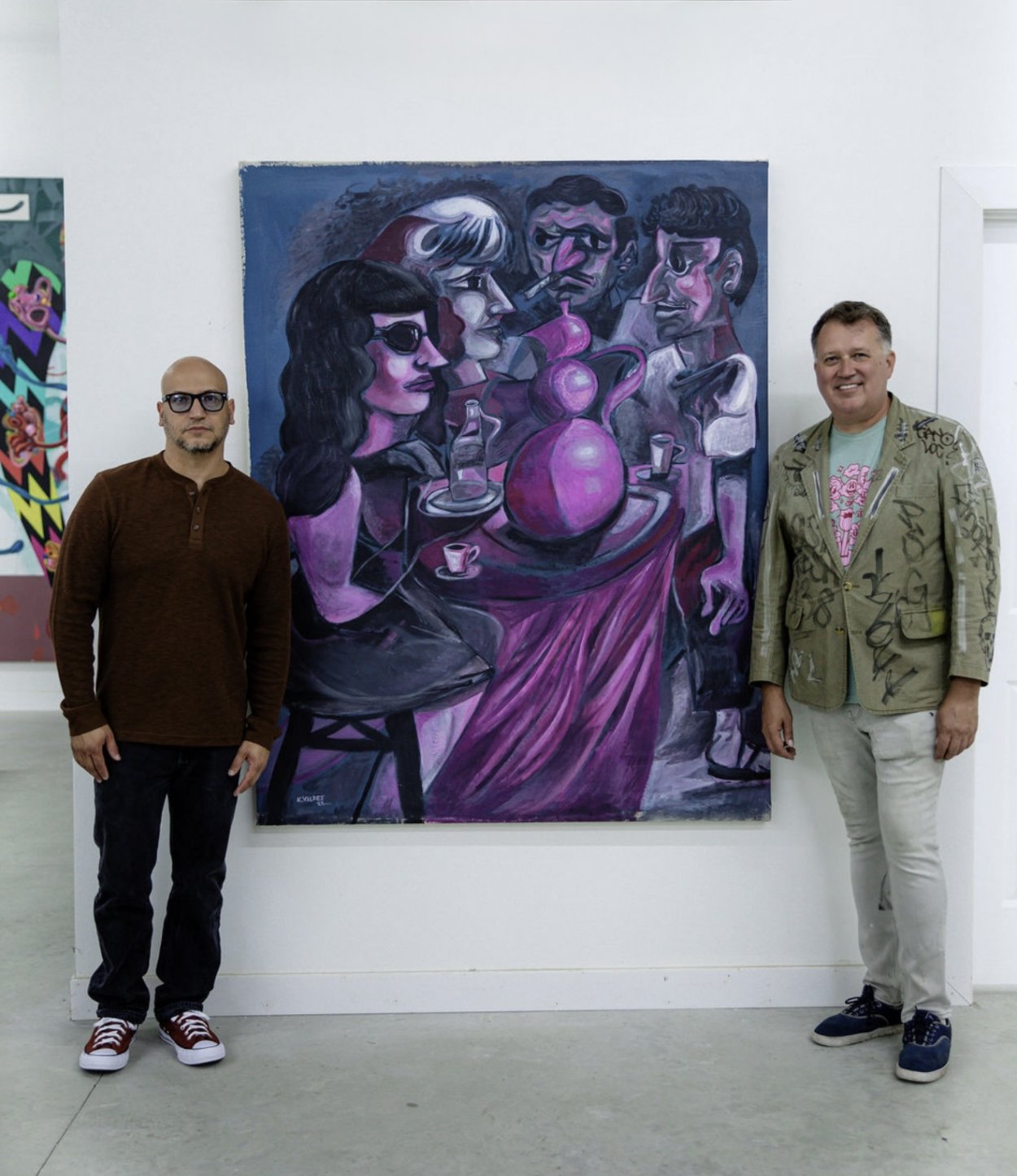
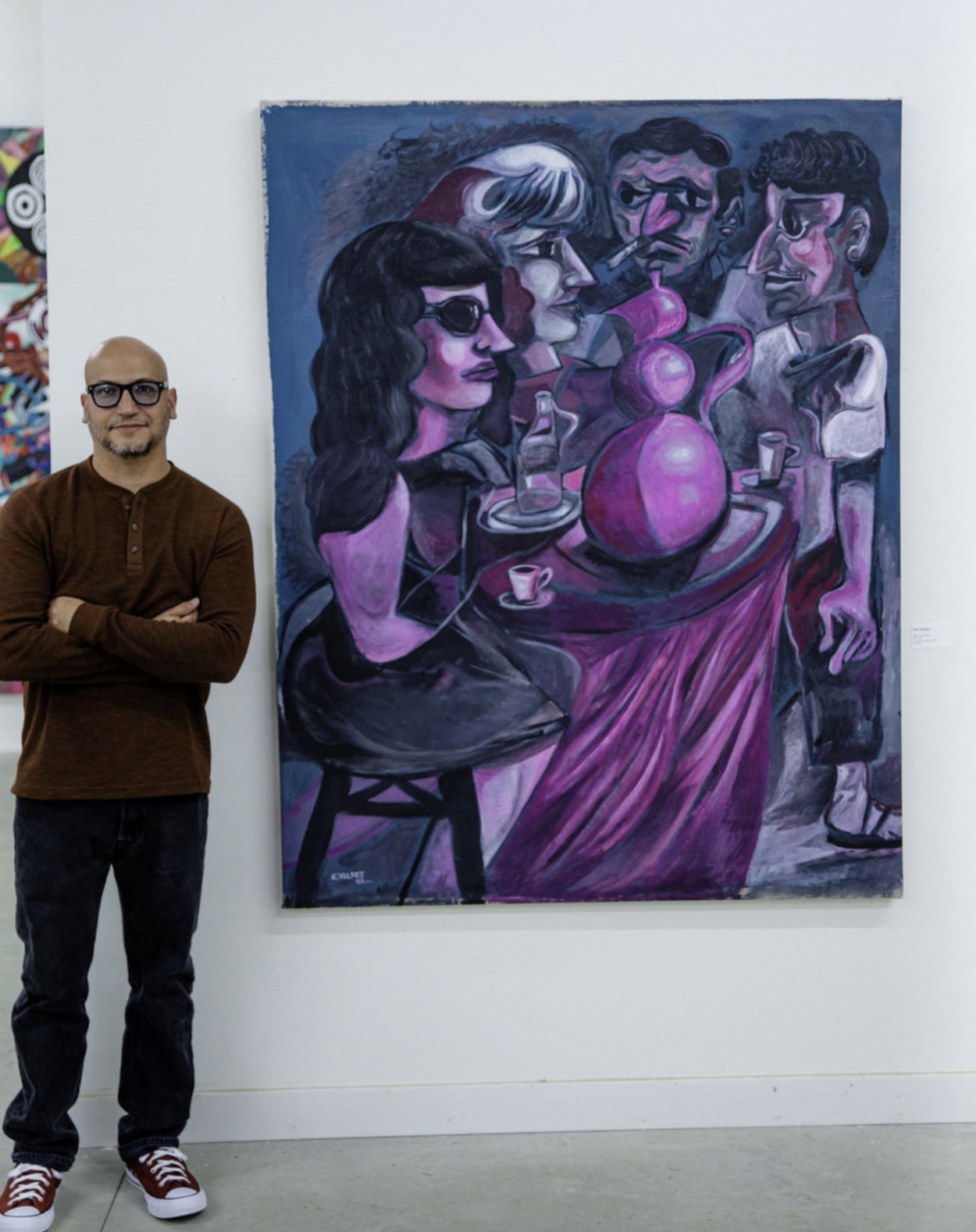
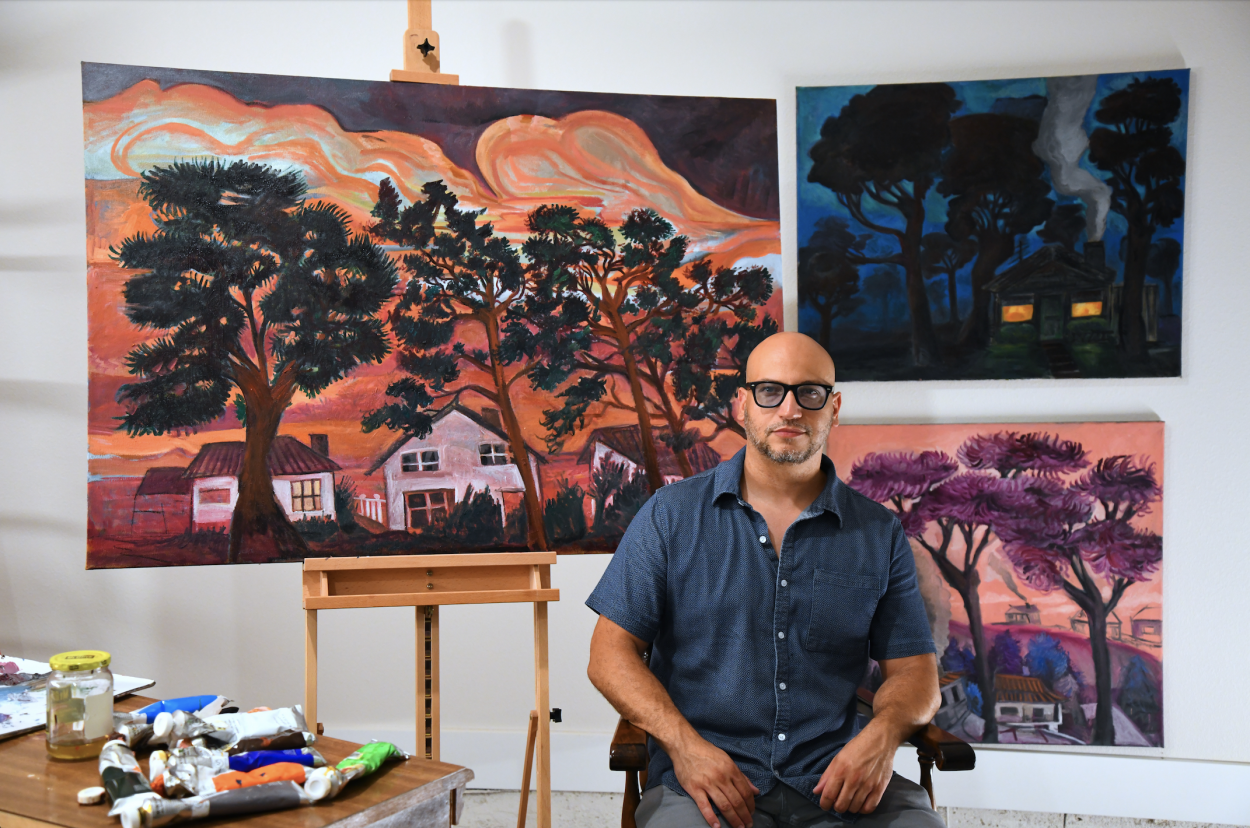
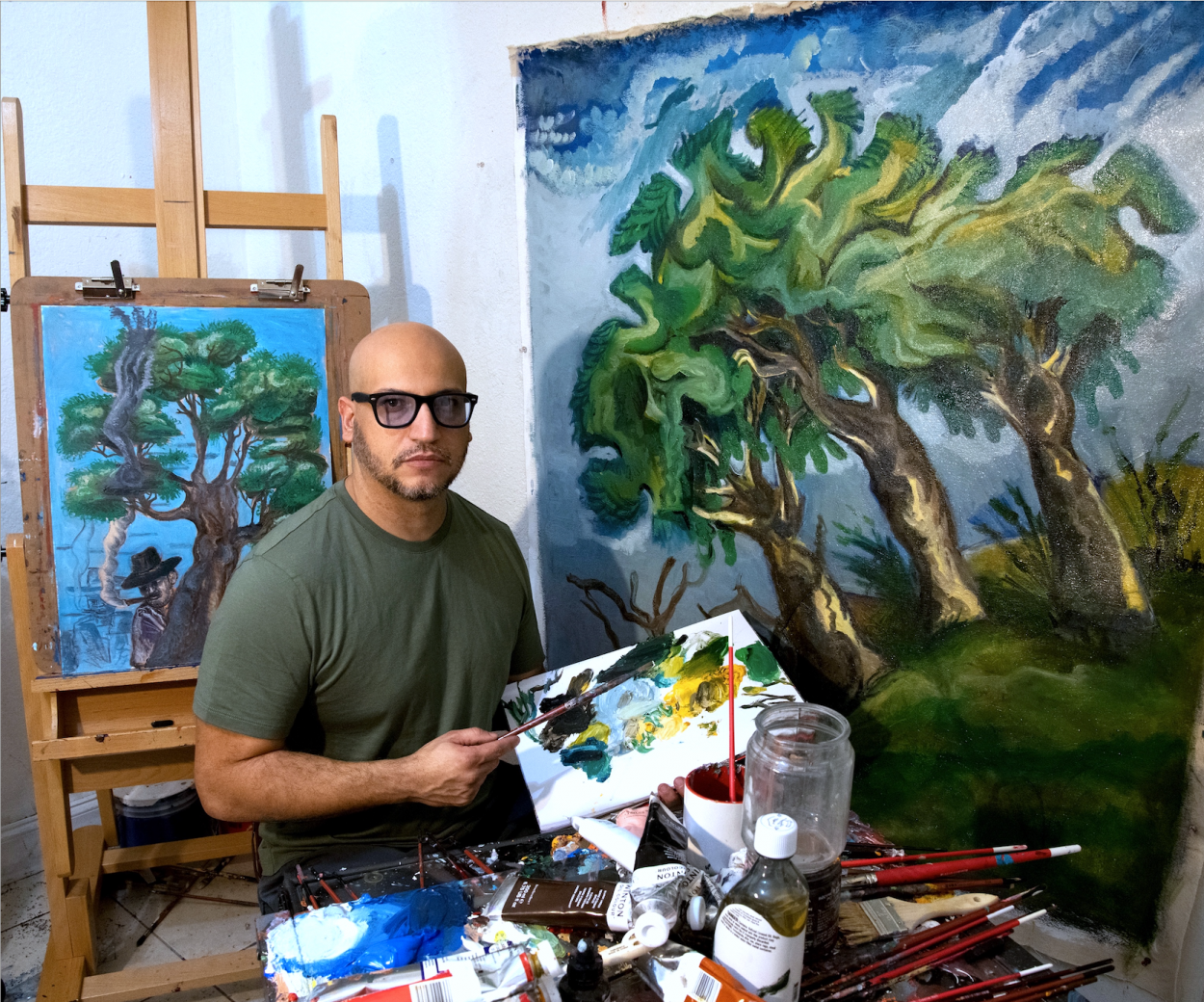
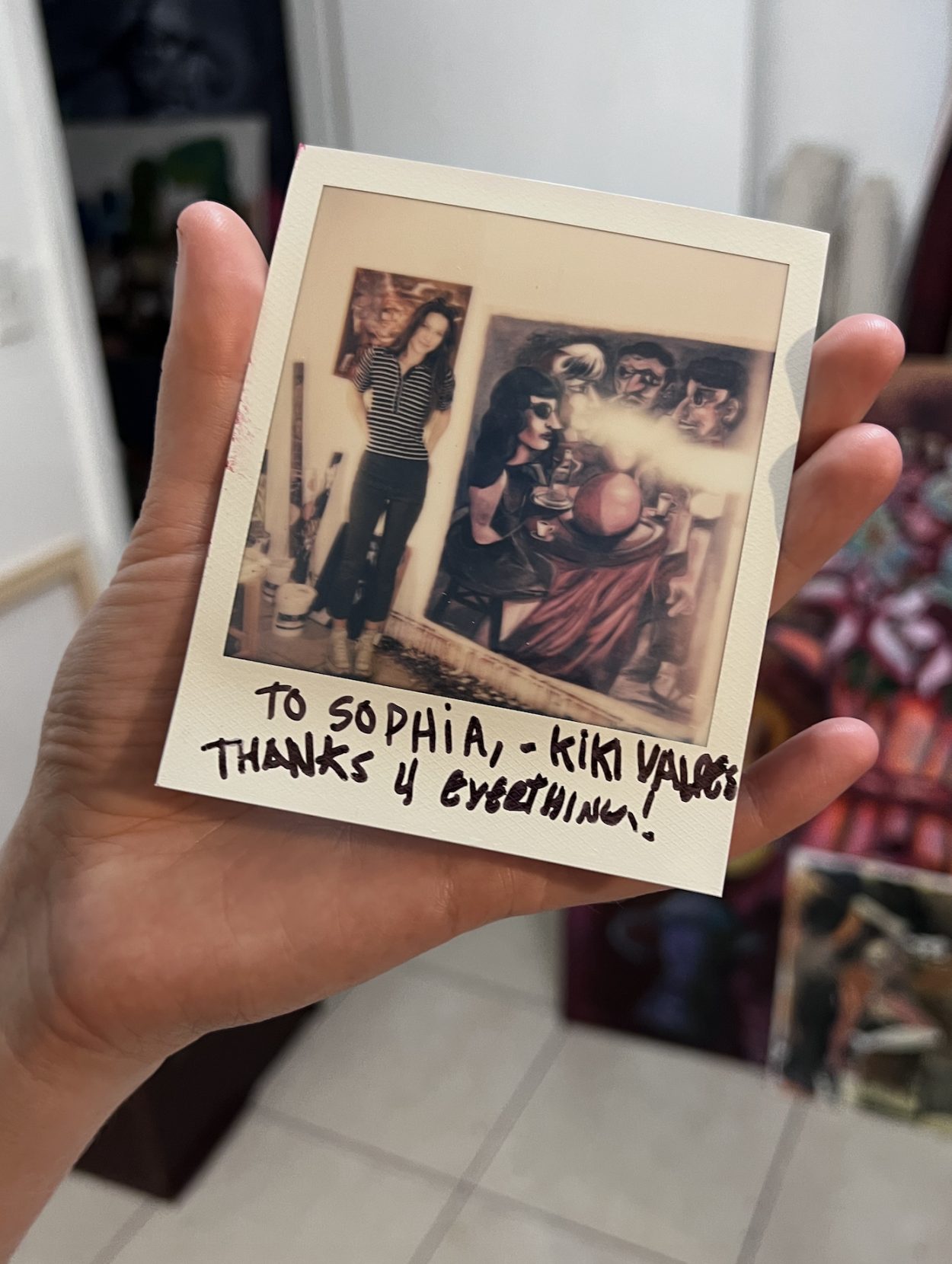
The first thing you notice about Kiki Valdes
is the way he seems to blur at the edges, like a night photograph.
Just as quick as he sits down he is up again, pacing, going over
to his closet, pulling out a canvas to show you. No sooner has he
looked you squarely in the eye and asked where you stand regarding
Americas embargo on Cuba, staring you down like a blood-soaked
matador, than he is patting you on the shoulder, telling you a joke
about the time he and some artist friends went down to an isolated
isle off Big Pine Key.
Kiki has a big personality Miami Big and he moves
with all the frenetic energy of the city. He seems to feed off it
and, in a way, embody all its contradictions: poorest metropolitan
area in the U.S., playground to the rich; South Florida, North
Cuba; the Everglades, urban sprawl; Cocaine Cowboys, retirees
playing shuffleboard. As Hispanics become the largest minority in
the country and citizens continue moving south in droves, Miami
is becoming the epitome of the new North America. And Kiki is at
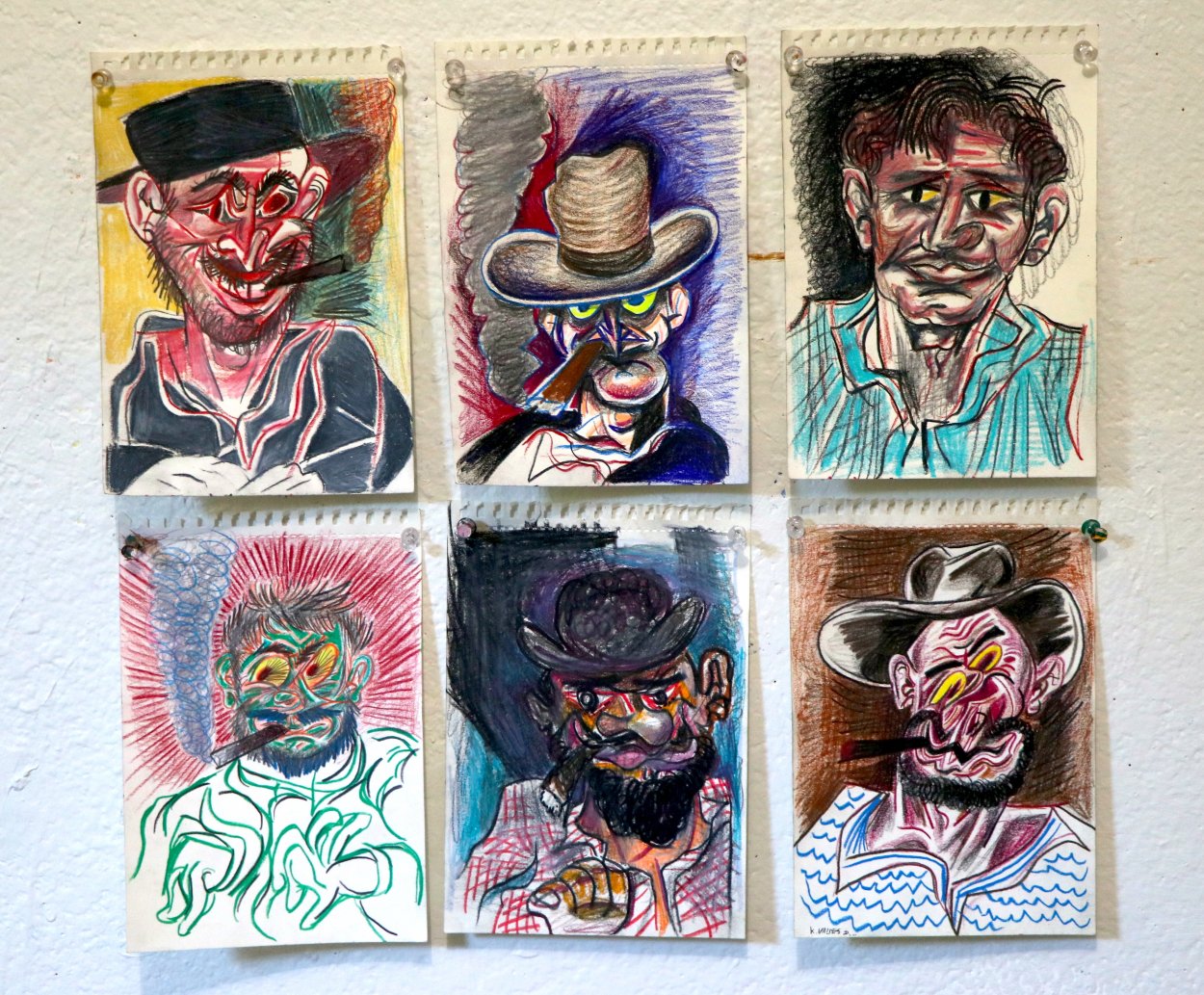
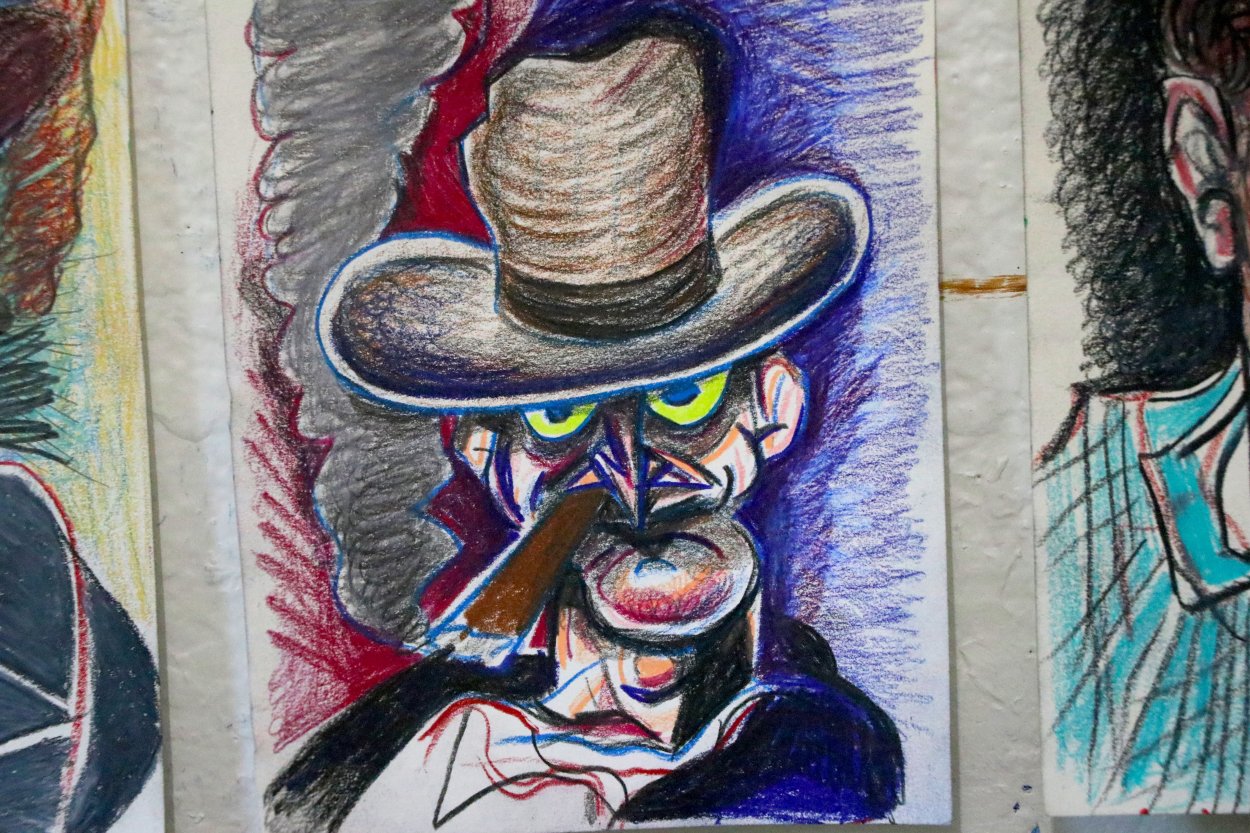
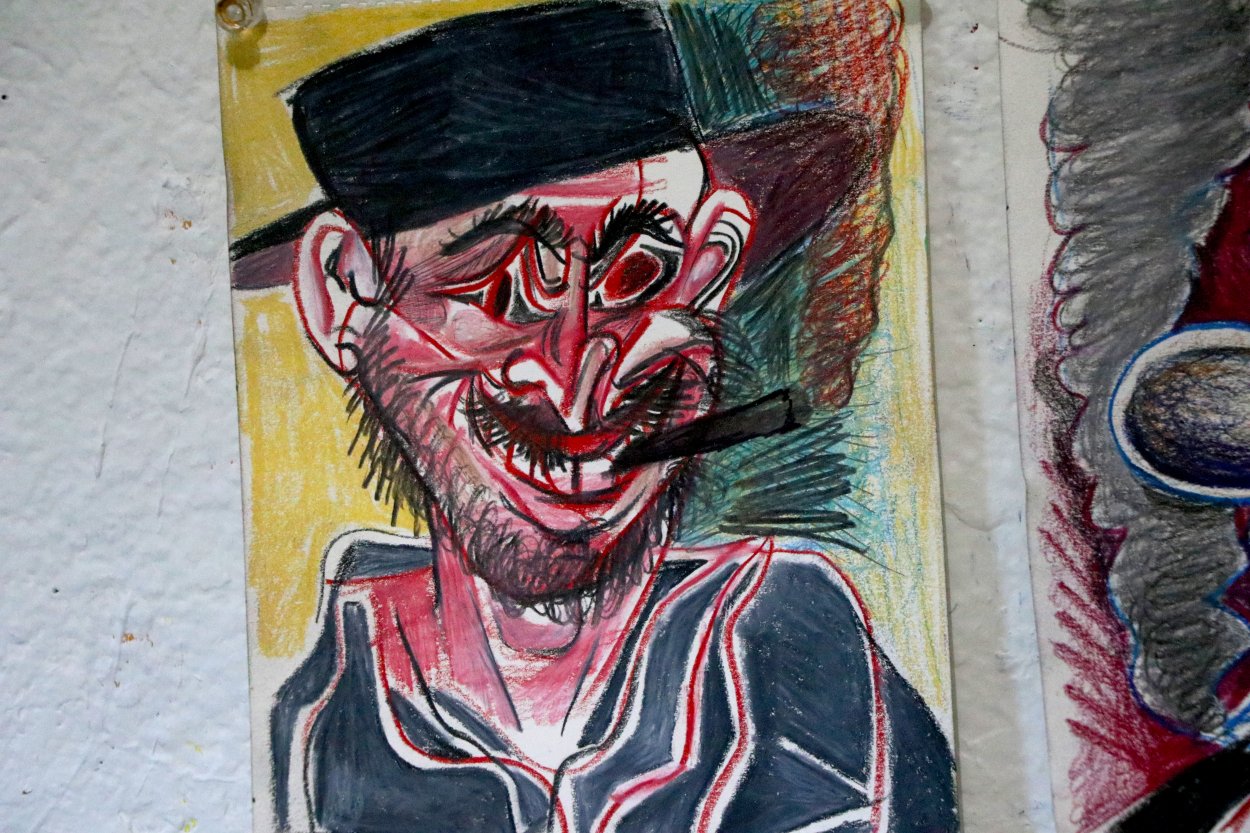
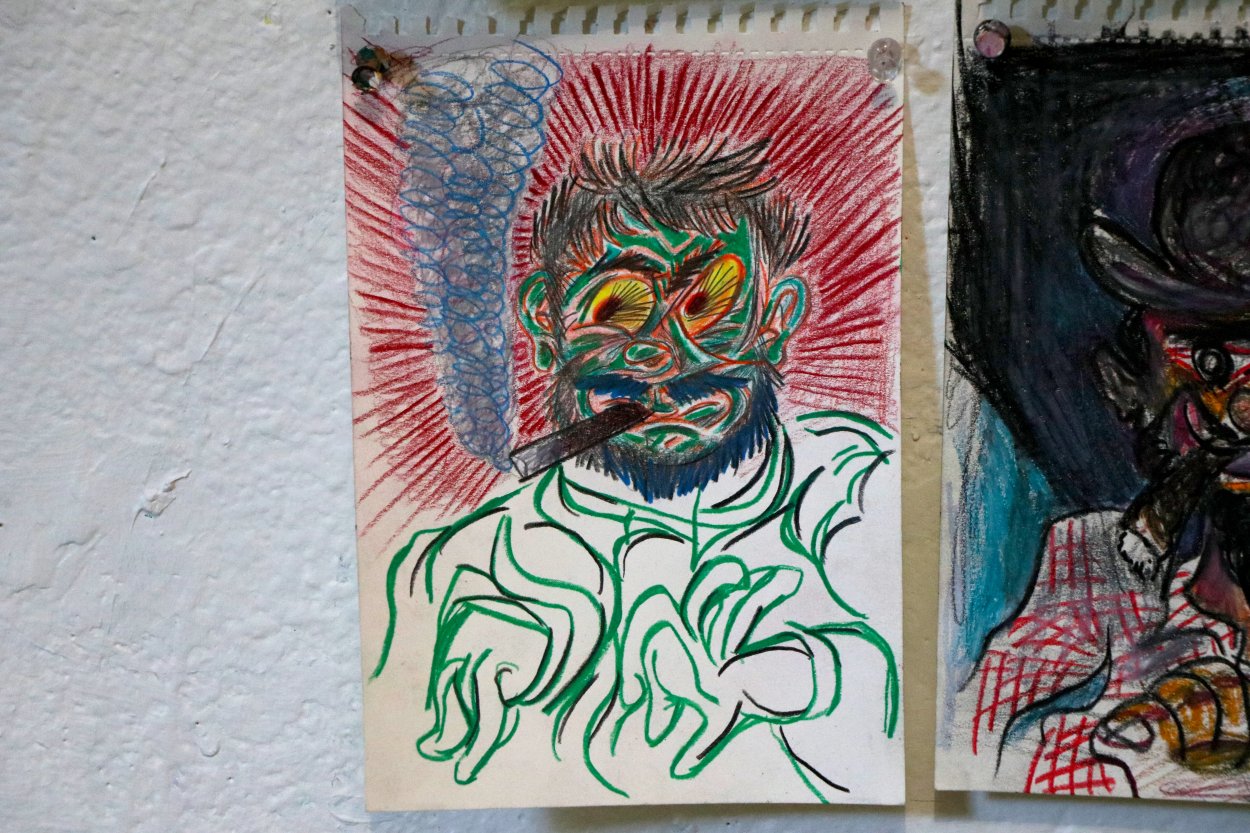
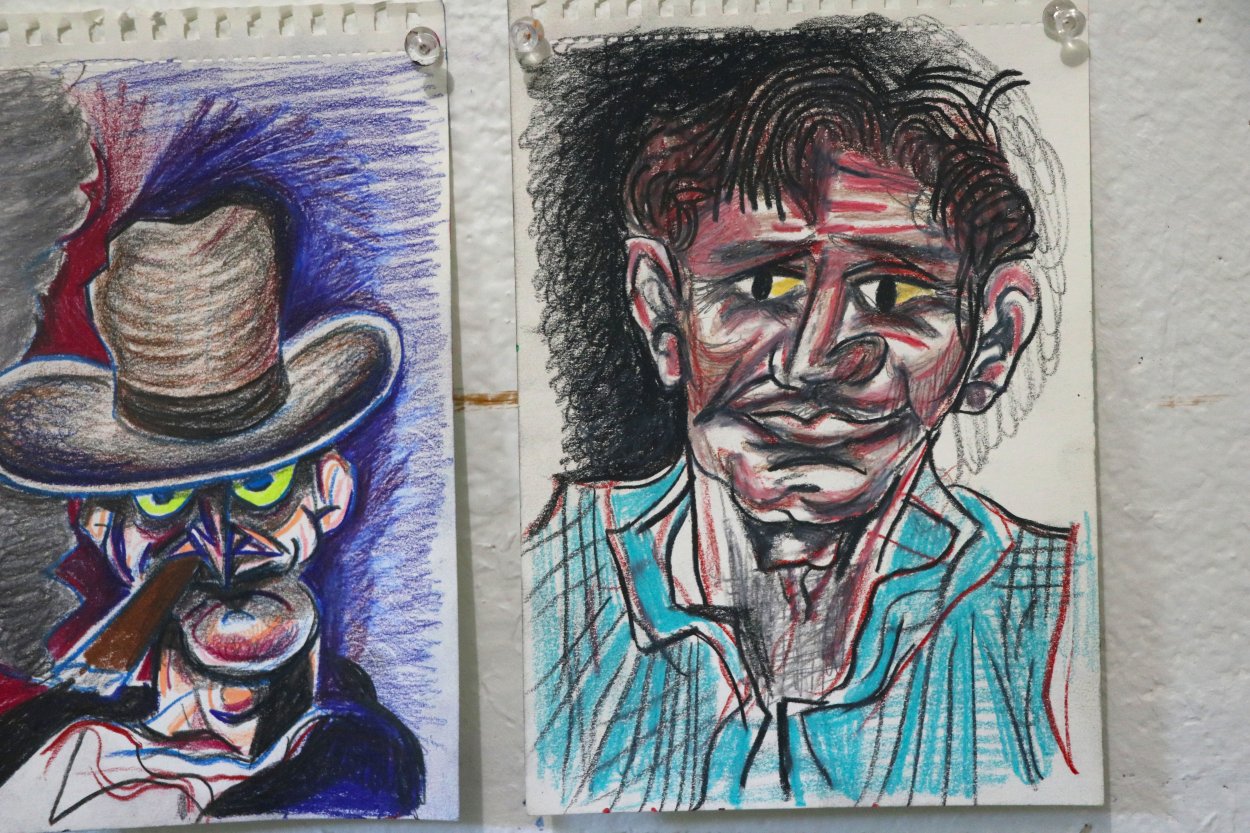
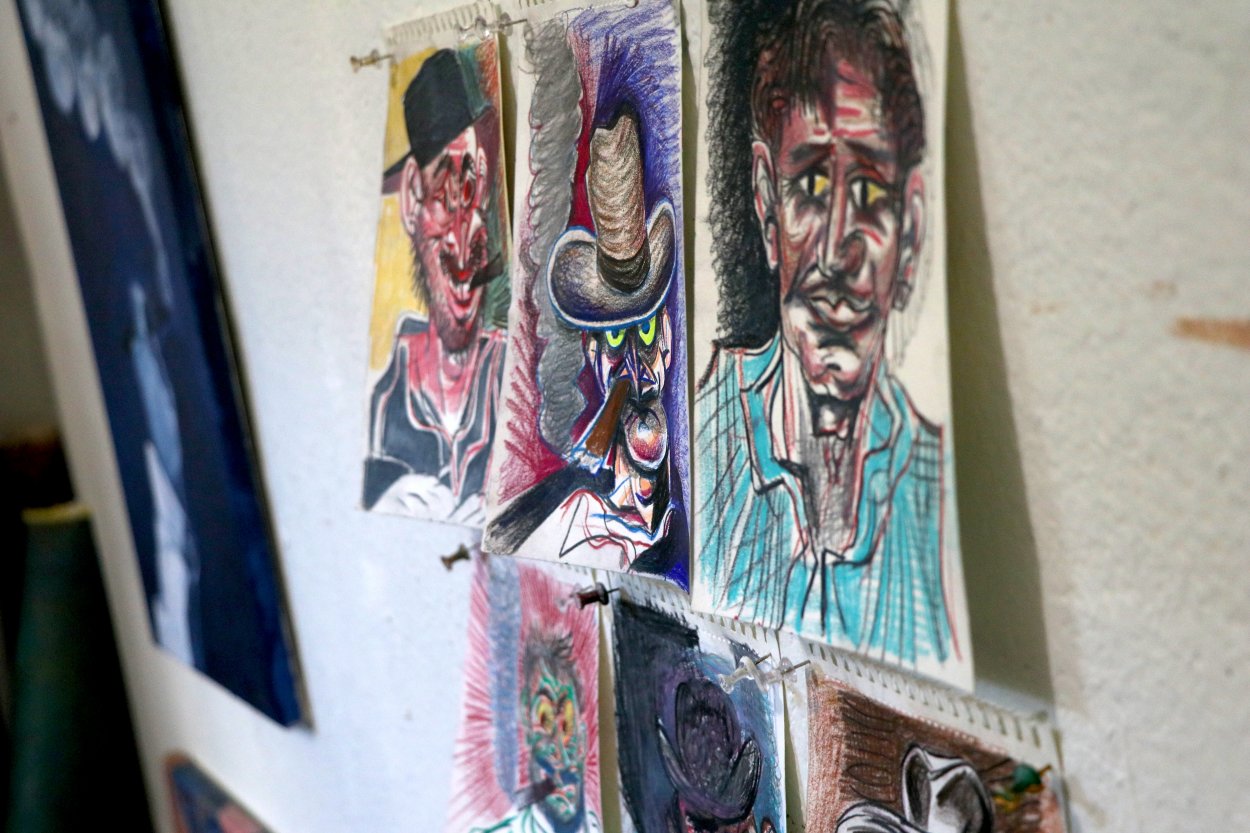
the center of it all, sketchbook in hand.
I
first met Kiki when we were both students at the prestigious New
World School of the Arts in Miami. I was there because I wanted
to be an artist. Or at least I thought I wanted to be an artist,
before he and I became friends. Around Kiki, one quickly learns
that their conception of ambition is rather pale.
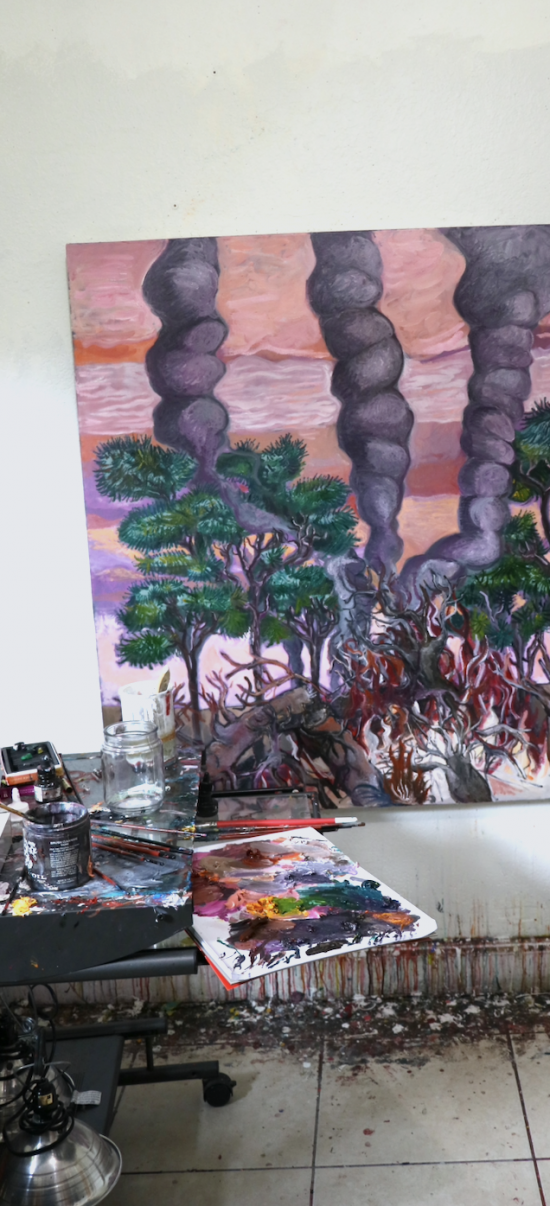
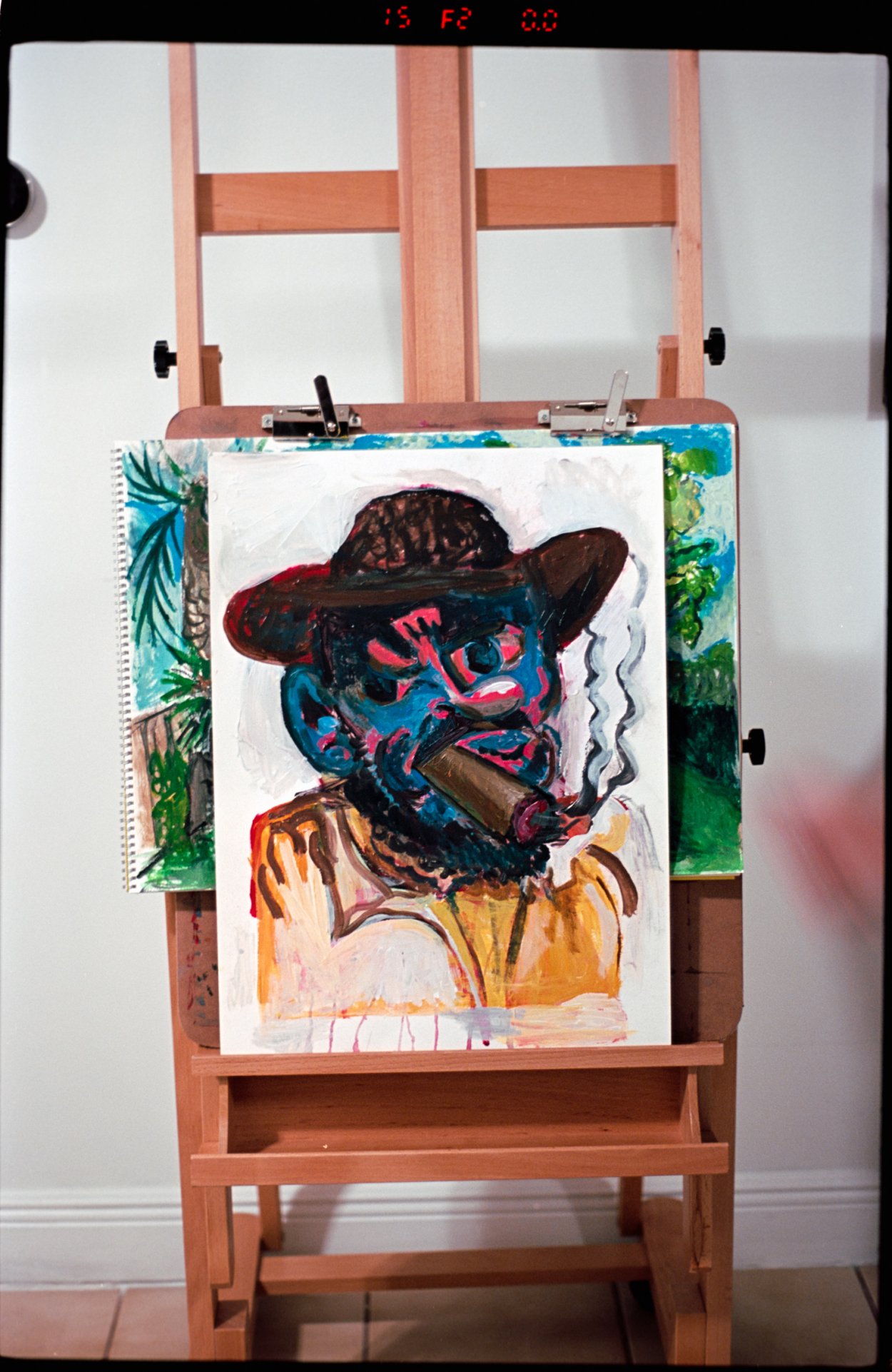
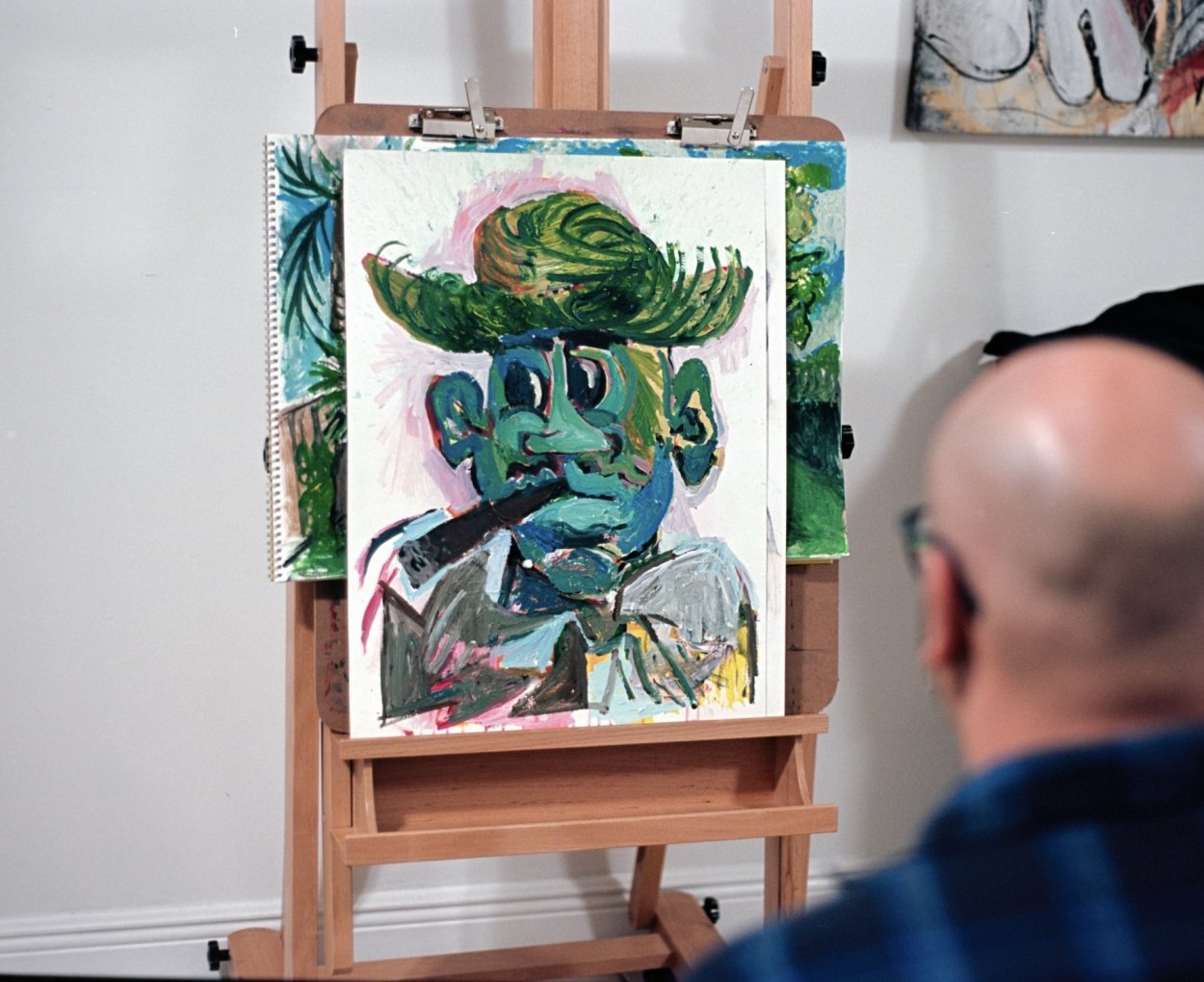
Kiki ran circles around all of us at New World. While other students
were still working on tiny watercolor tablets, Kiki was stitching
together pieces of canvas for murals, or nailing together scrap
wood he had salvaged from the worksite across from the school, or
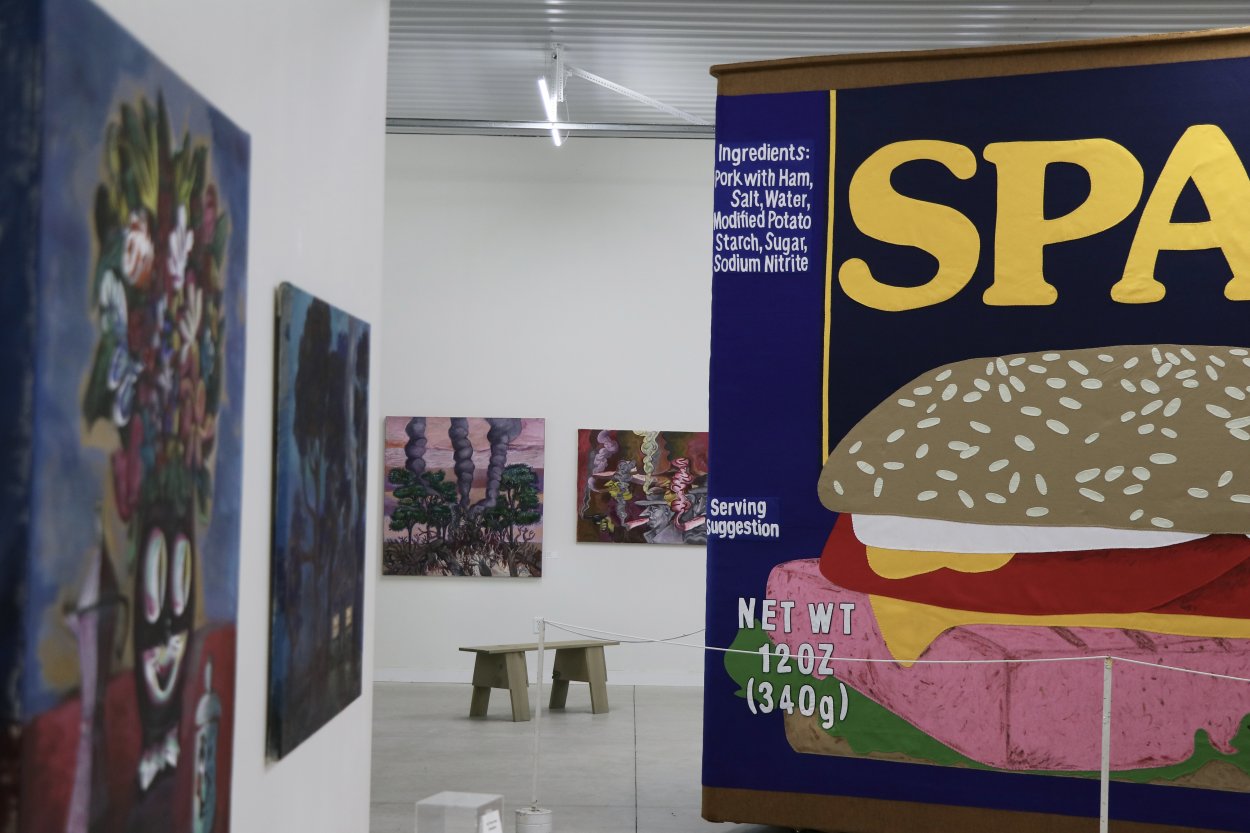
painting on old lamps, tables, walls, pieces of cardboard. The notion
that pages have edges never occurred to Kiki.
Neither did the notion of idleness. No sooner had he finished a
piece than he was on to another one. Occasionally, he filled an
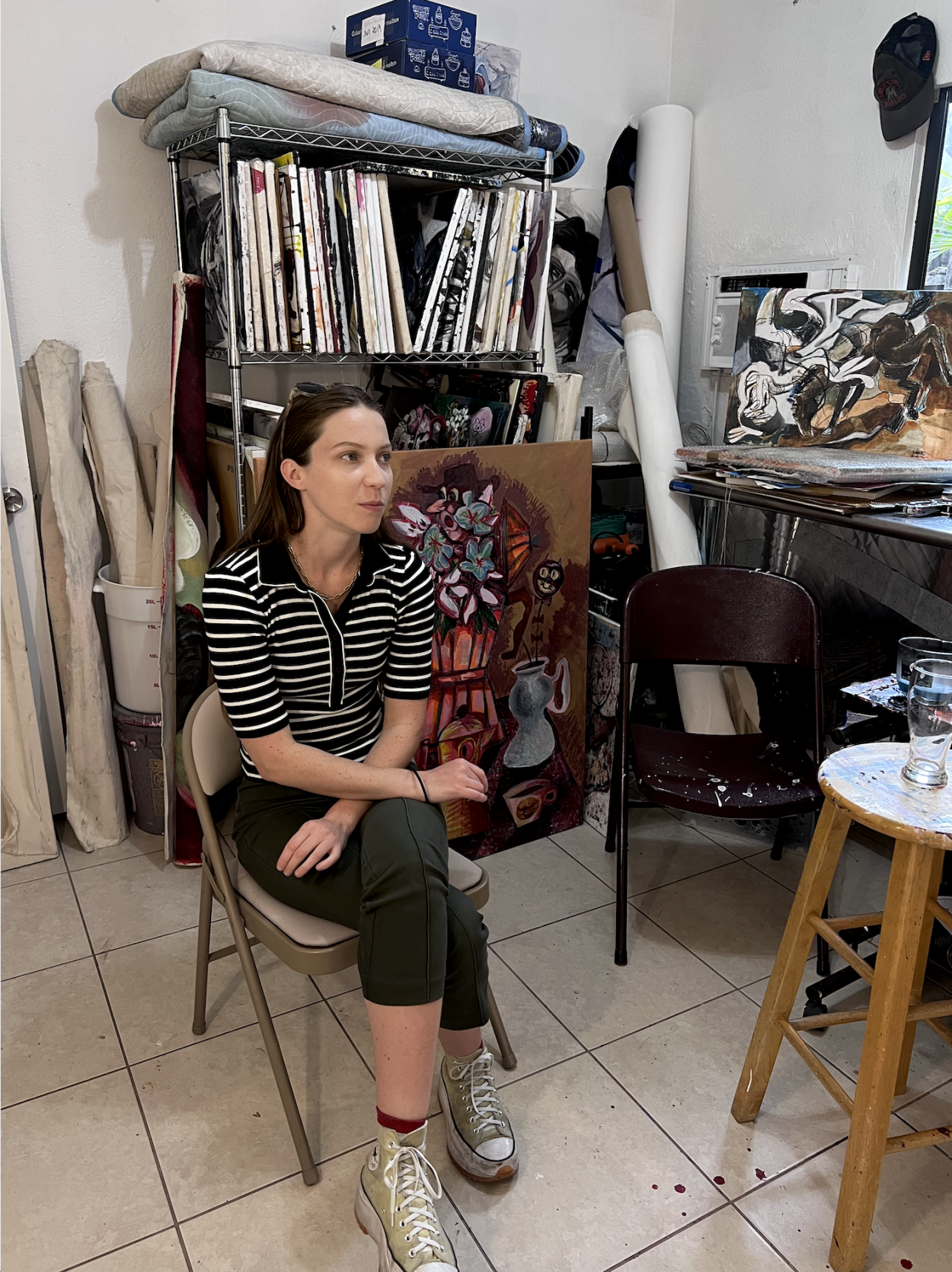
entire wall in the studio with his paintings and moved between them,
adding and subtracting, seeing the whole world as one continuous
act of artistic expression. In a world of frail artists egos,
Kiki's self- assuredness was both refreshing and contagious
a class with Kiki was sure to be a lesson in work ethic and the
delight of the creative process. During that embryonic period in
our artistic development, Kiki had already figured out the painter's
primary job -- to work until his fingers bleed.
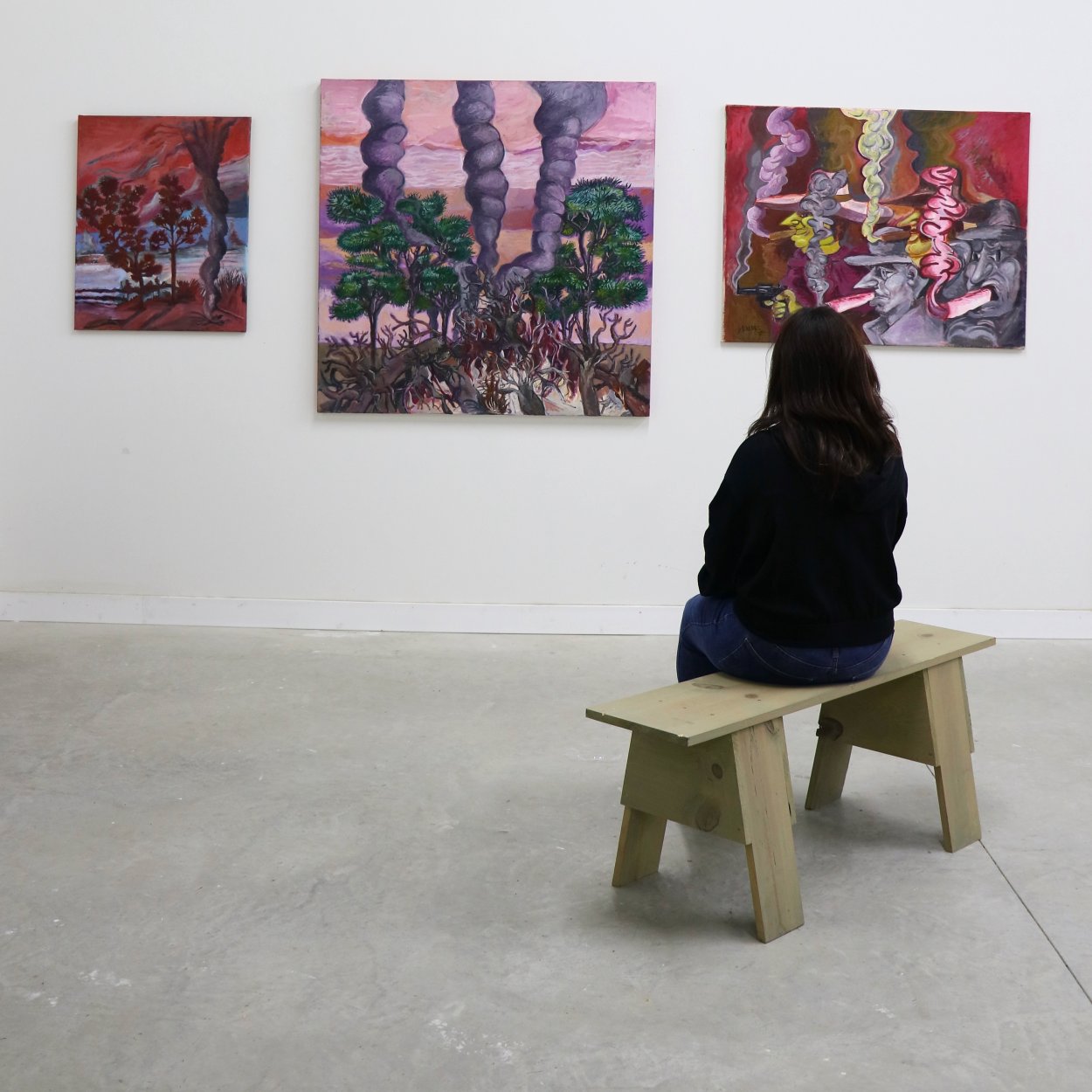
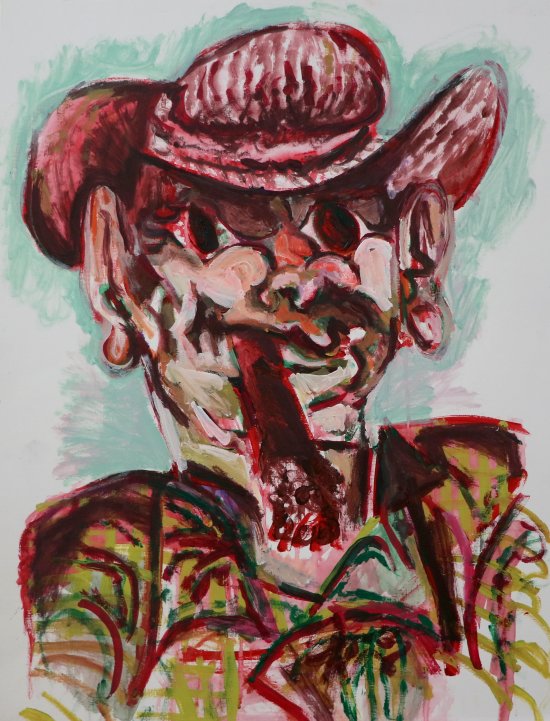
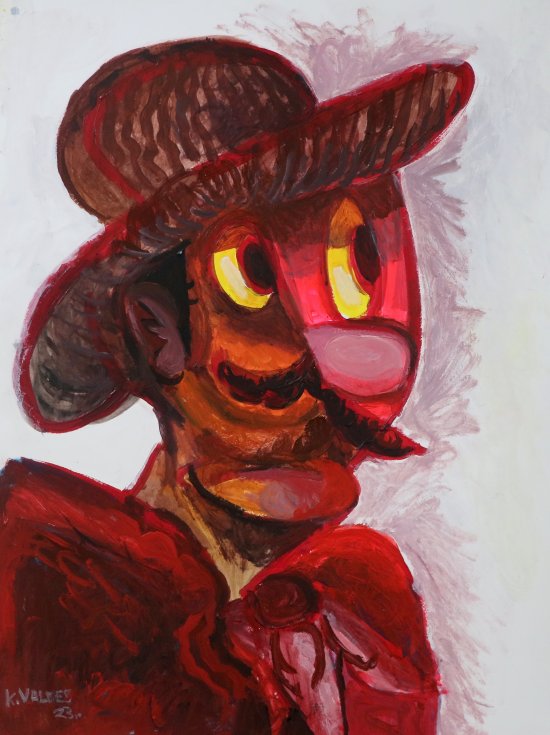
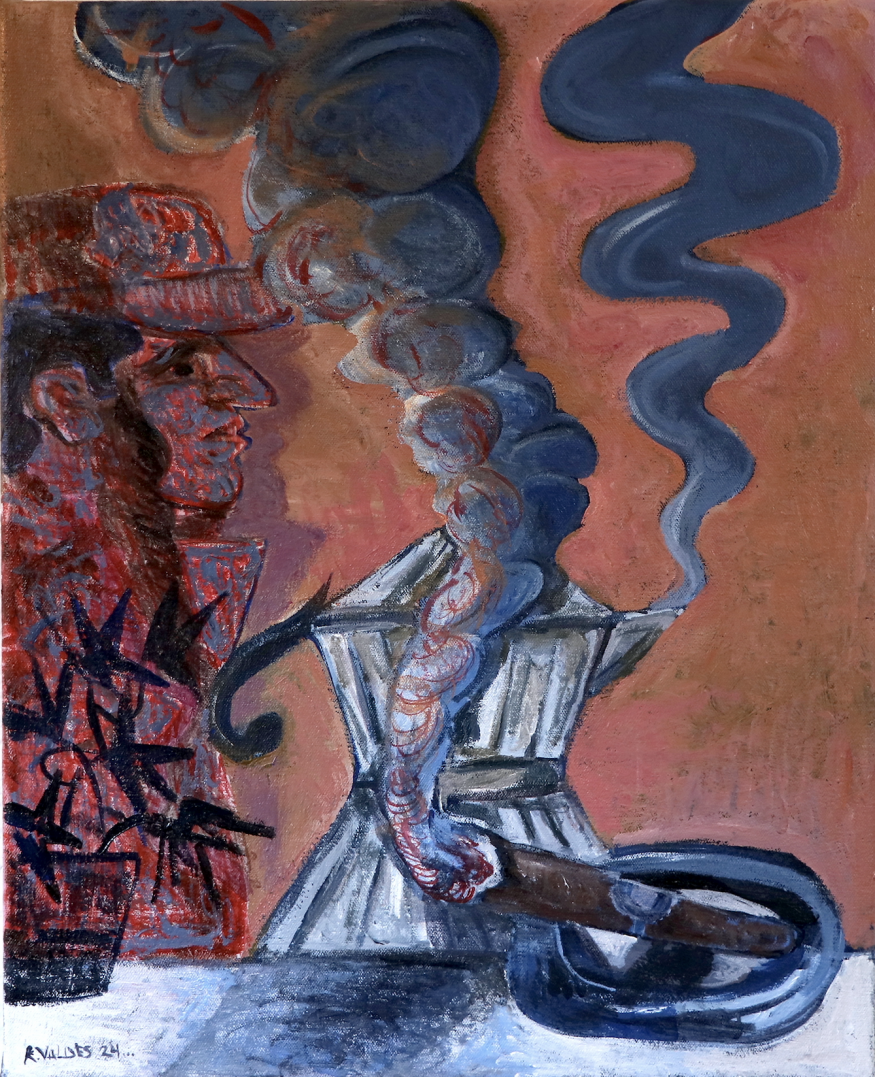
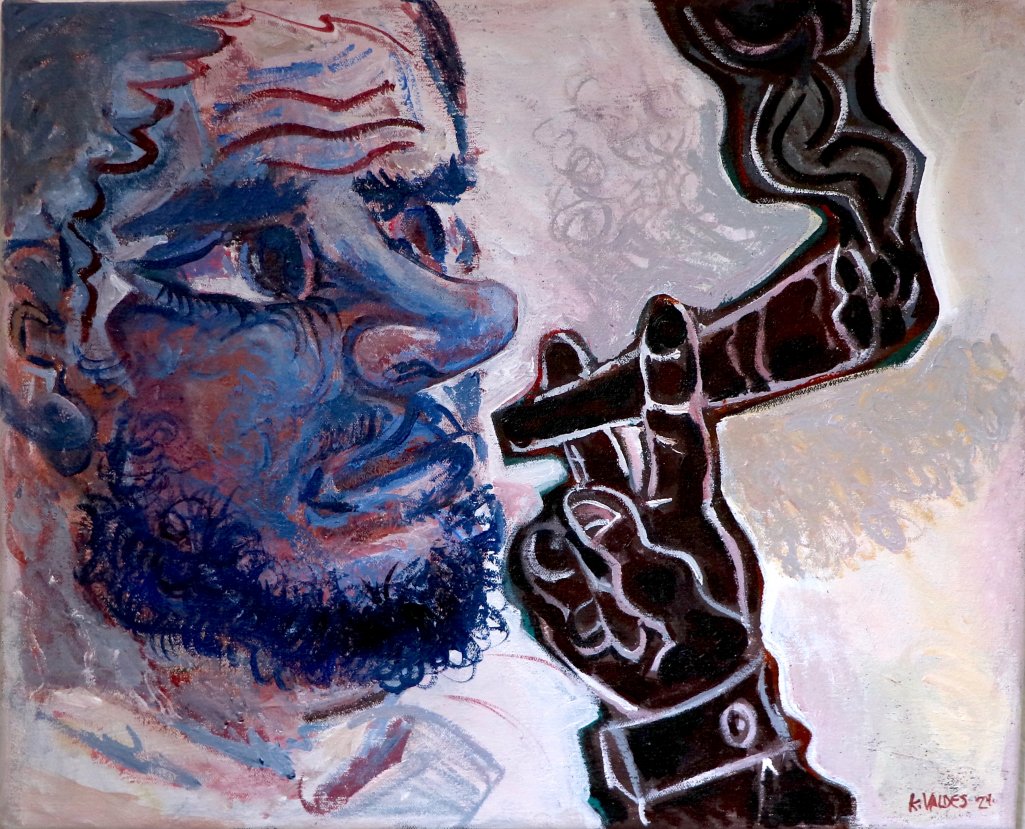
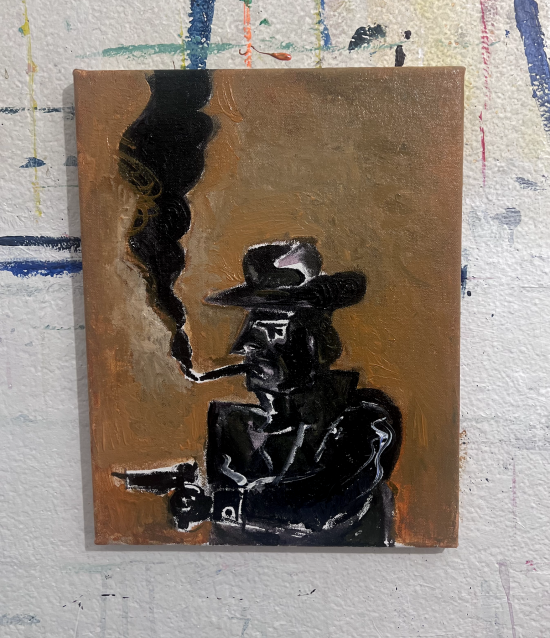
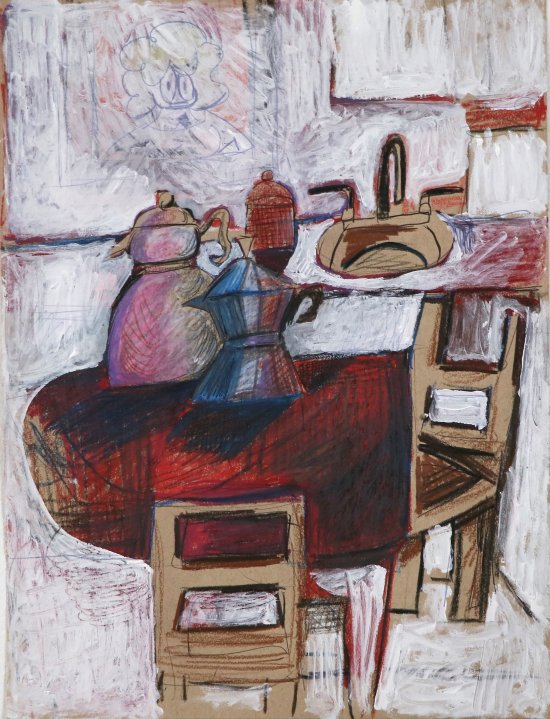
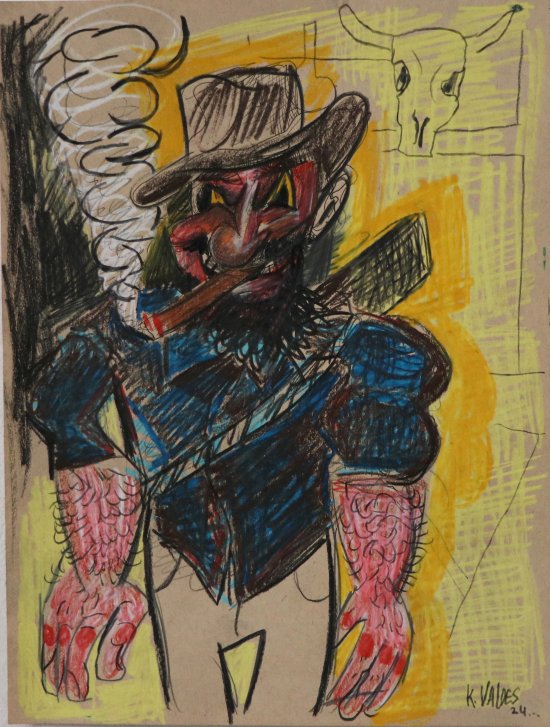
Having been raised on John Constable and realist still-lifes, the
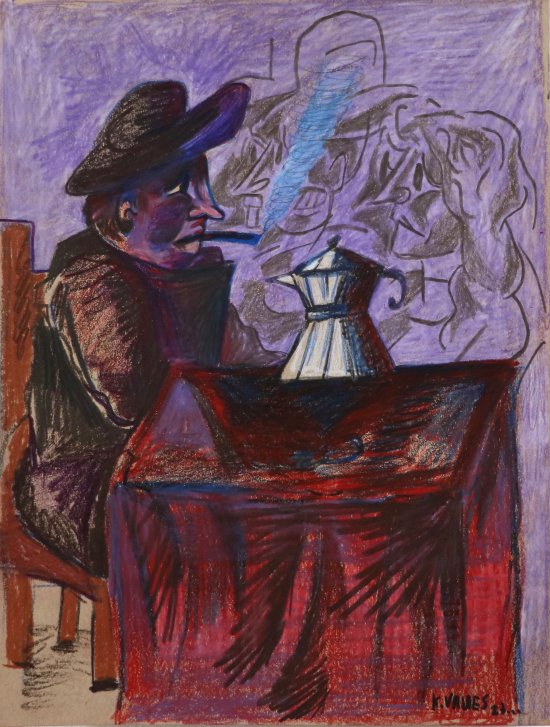
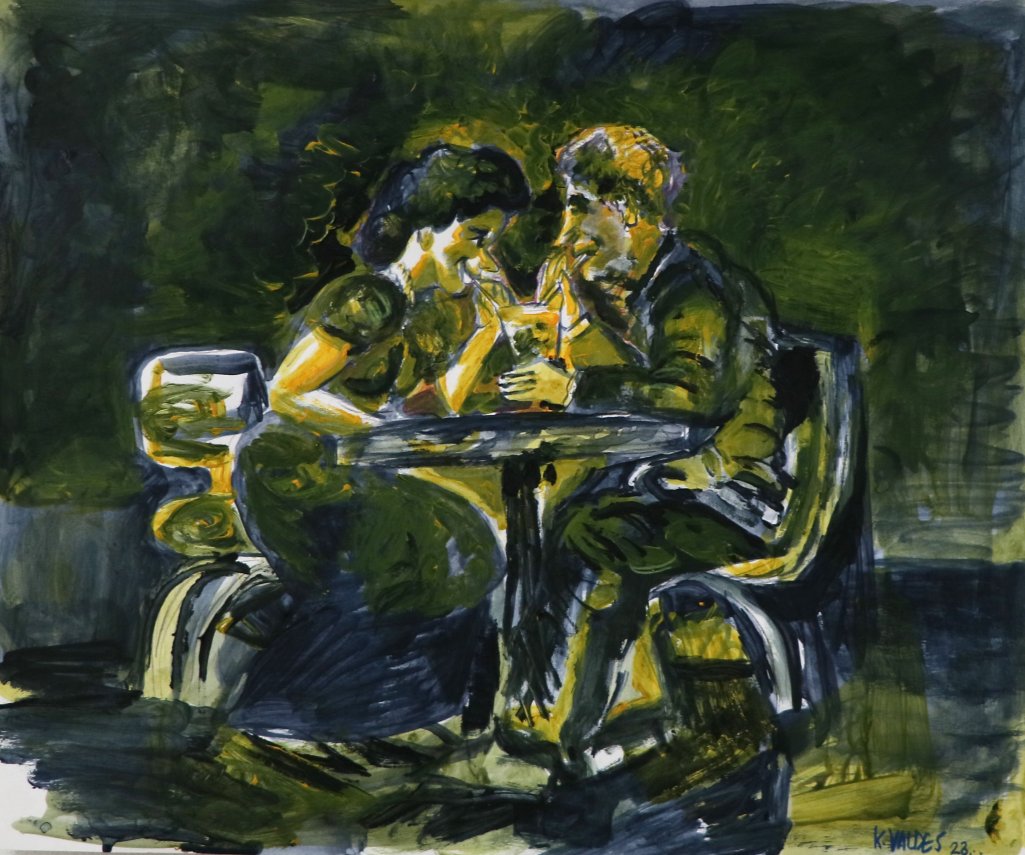
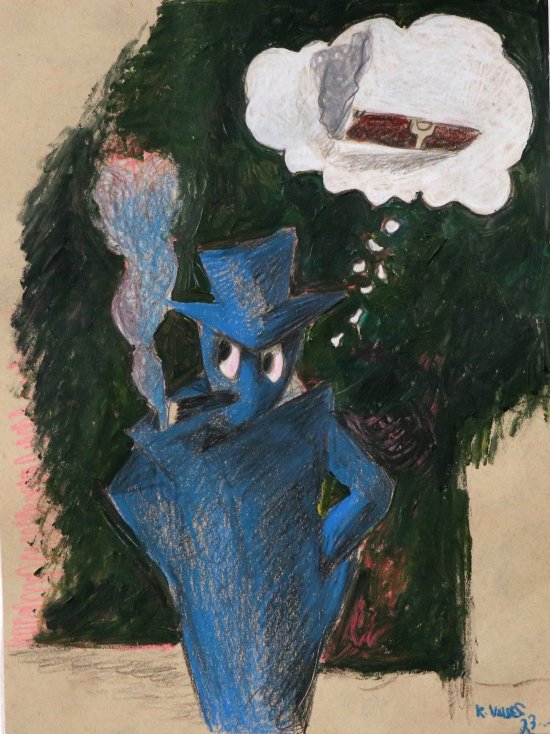
first time I saw one of Kiki's paintings, it was easy to dismiss:
the paint seemed too thick; the brushstrokes were too broad; the
lines looked too
bold; the figures weren't representational enough. But once I got
to know Kiki and his aesthetic sensibilities, I realized that he
was interested in serving a higher God than life-like rendering:
Expression. To be as blunt as possible, until I had worked alongside
Kiki, listened to his stories, understood the mythologies he was
trying to express in his work, drawn from the same models and still-lifes
as him, I had not understood art. Hanging next to my canvases, I
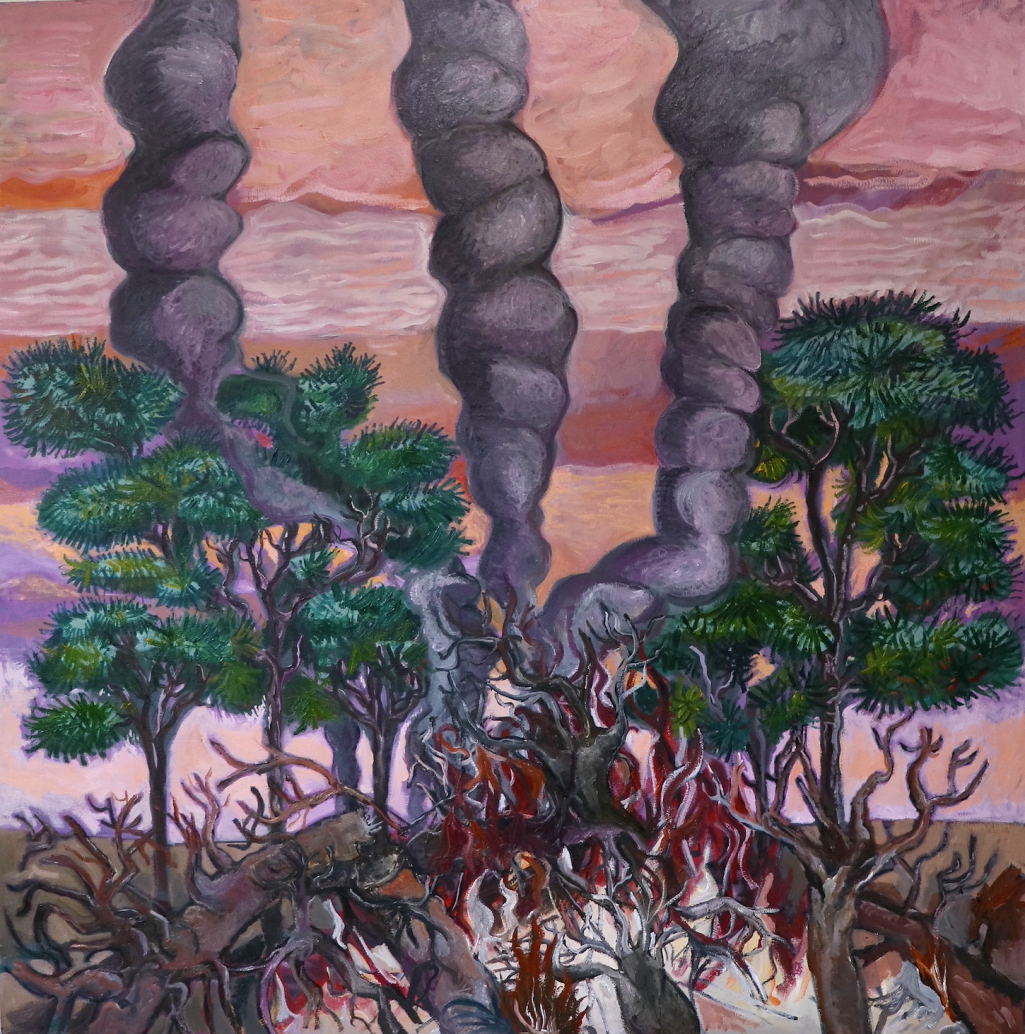
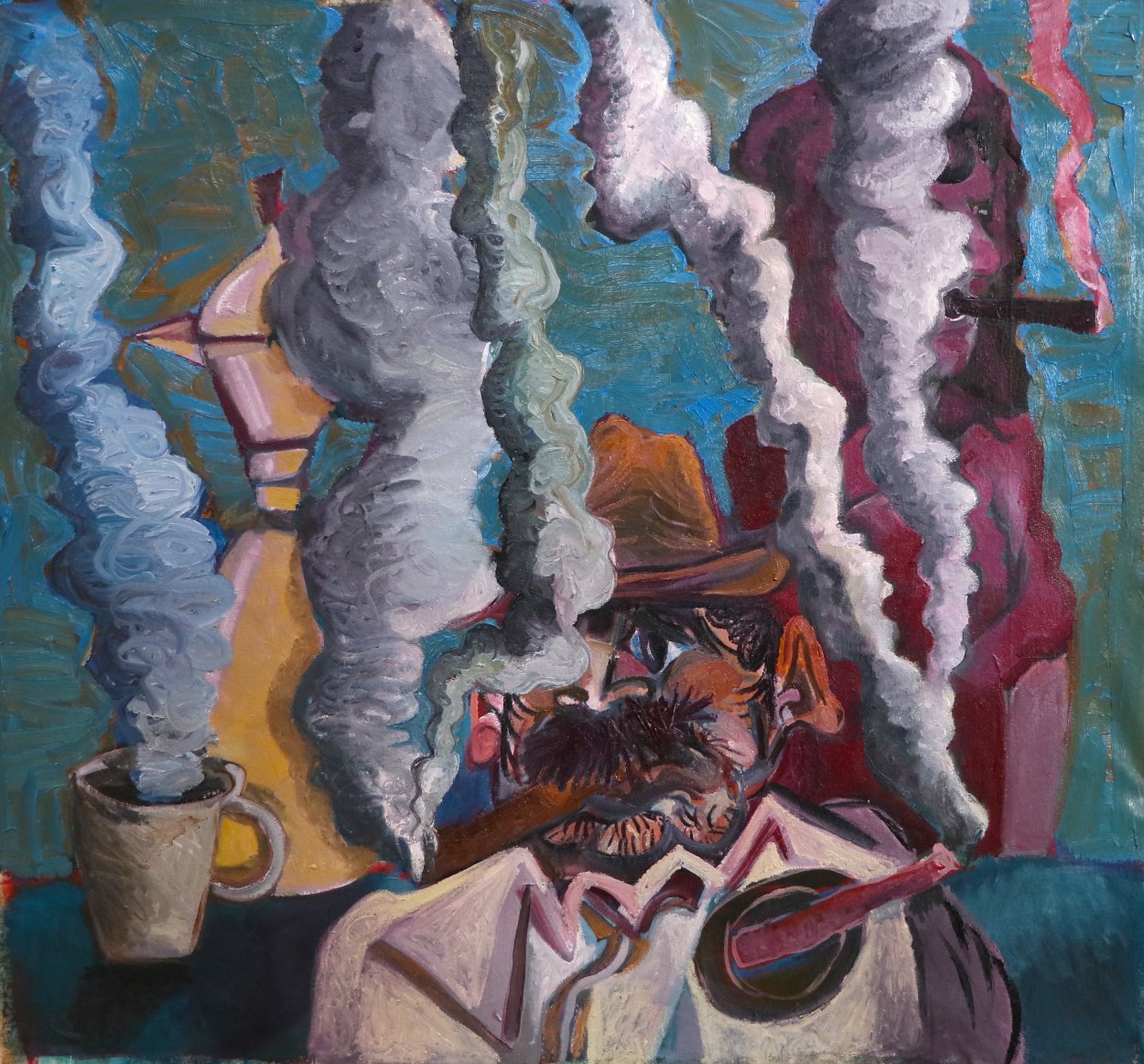
got the distinct sense that Kiki's work had captured something much
more essential to the human condition, something much truer to life.
Indeed,
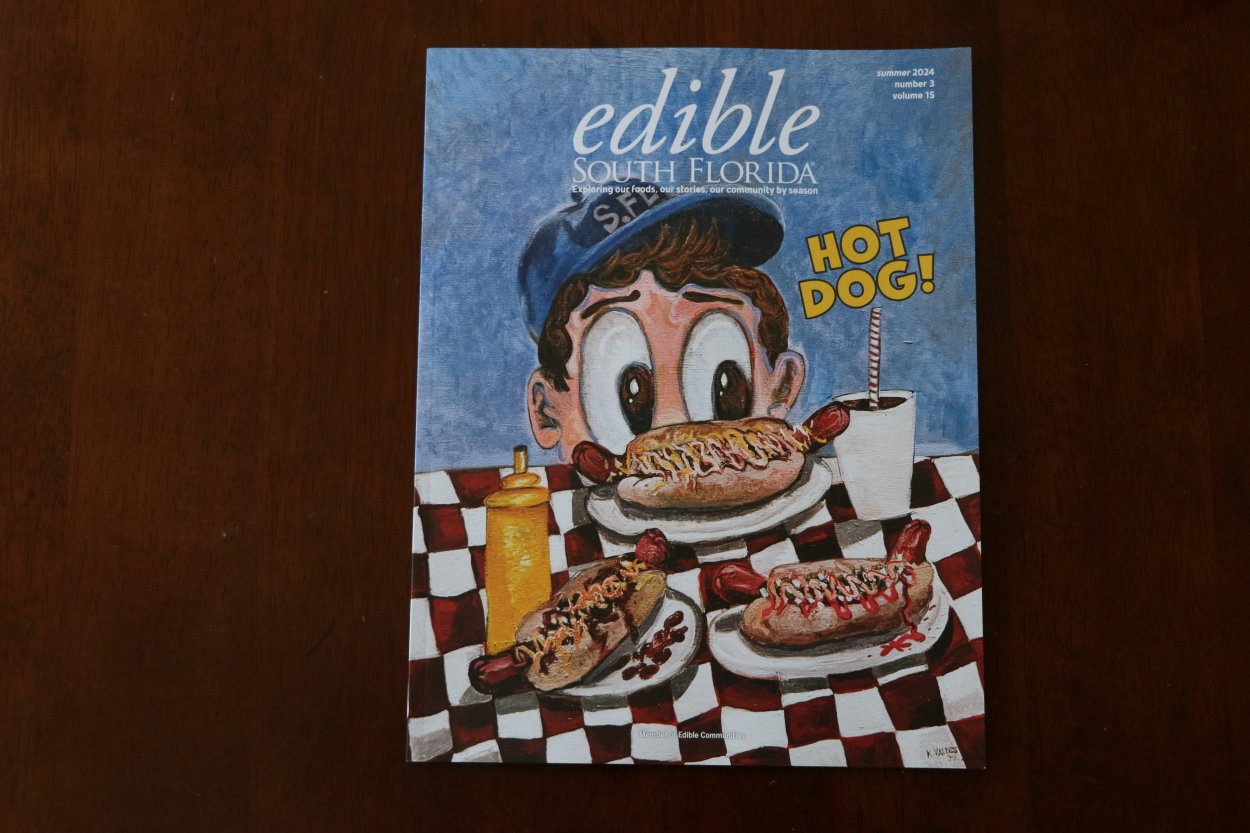
Kiki seems to operate at the forefront of many things about life
in America today. From independent magazine publishing to multimedia/live
art events, Kiki has securely pitched his tent at the sharpest end
of the cutting edge. But he doesn't claim that he's found something
other artists have overlooked for the last ten centuries. Rather,
his work continues to explore universal themes: love, spirituality,
heritage, death. In short, the remarkable agony and beauty of being
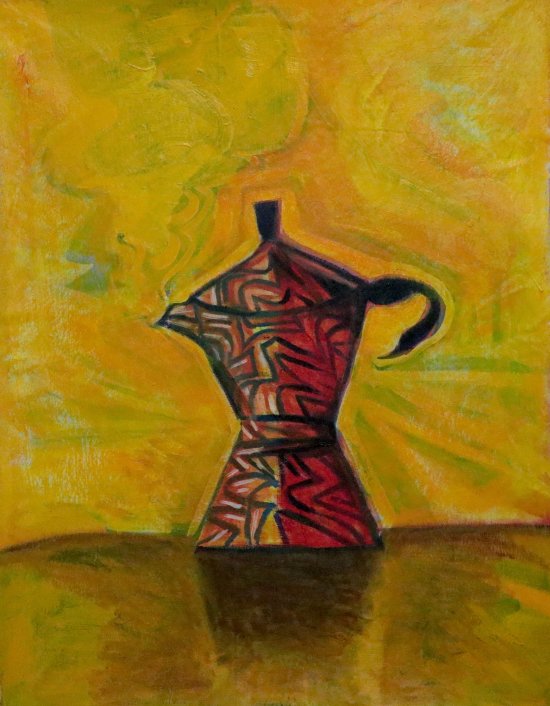
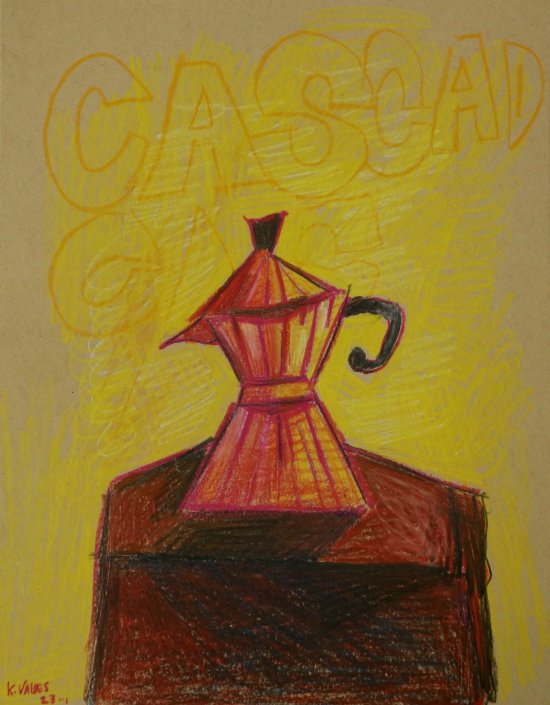
alive. From Michelangelo to Rembrandt, and Hieronymus Bosch to Willem
de Kooning, this is what great artists do -- they surprise the viewer
with the unique ways they represent age-old truths.
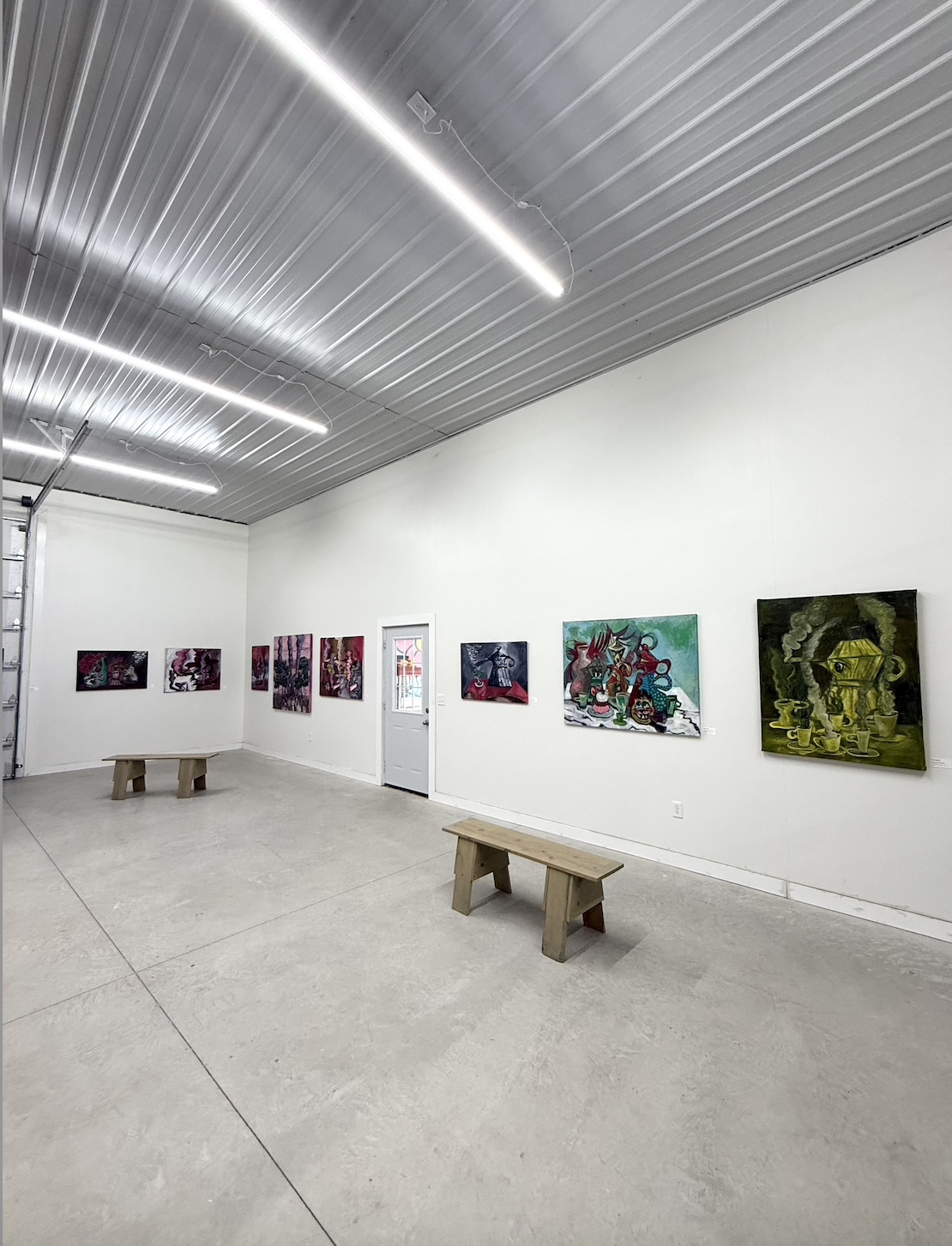
When people ask me to talk about Kiki's work, I think back to an
art show he and I were involved in, in 2000, and I picture the layout
of the gallery. I had submitted two small aquatint etchings and
they hung, well out of sight of anyone except the most observant
museum patron, on a structural pillar. Kiki's work, on the other
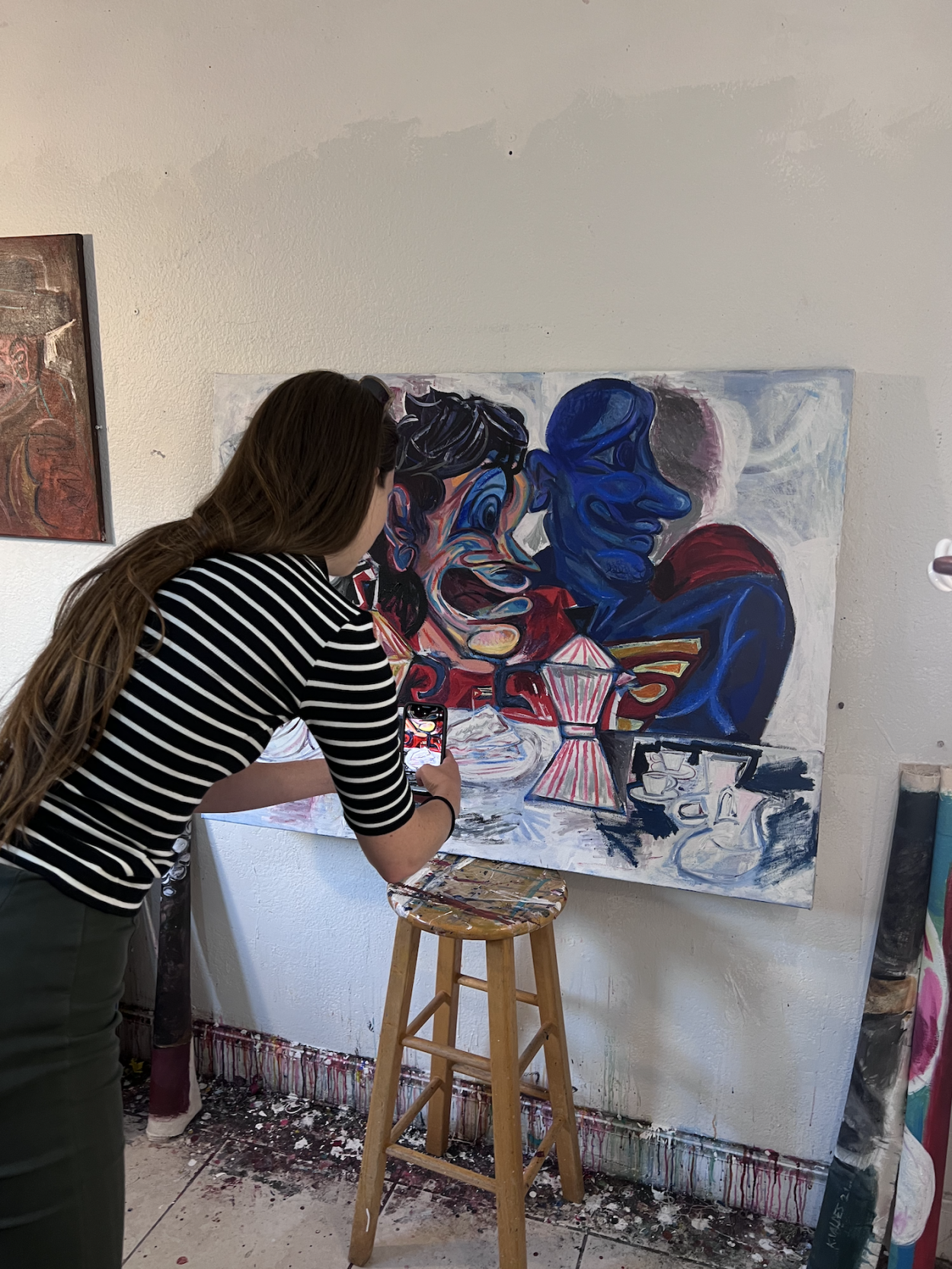
hand -- a massive, multi-paneled portrait -- occupied the most prominent
spot in the gallery. It wasn't just that Kiki wanted the spot because
of his insatiable desire to share his artistic vision, it was that
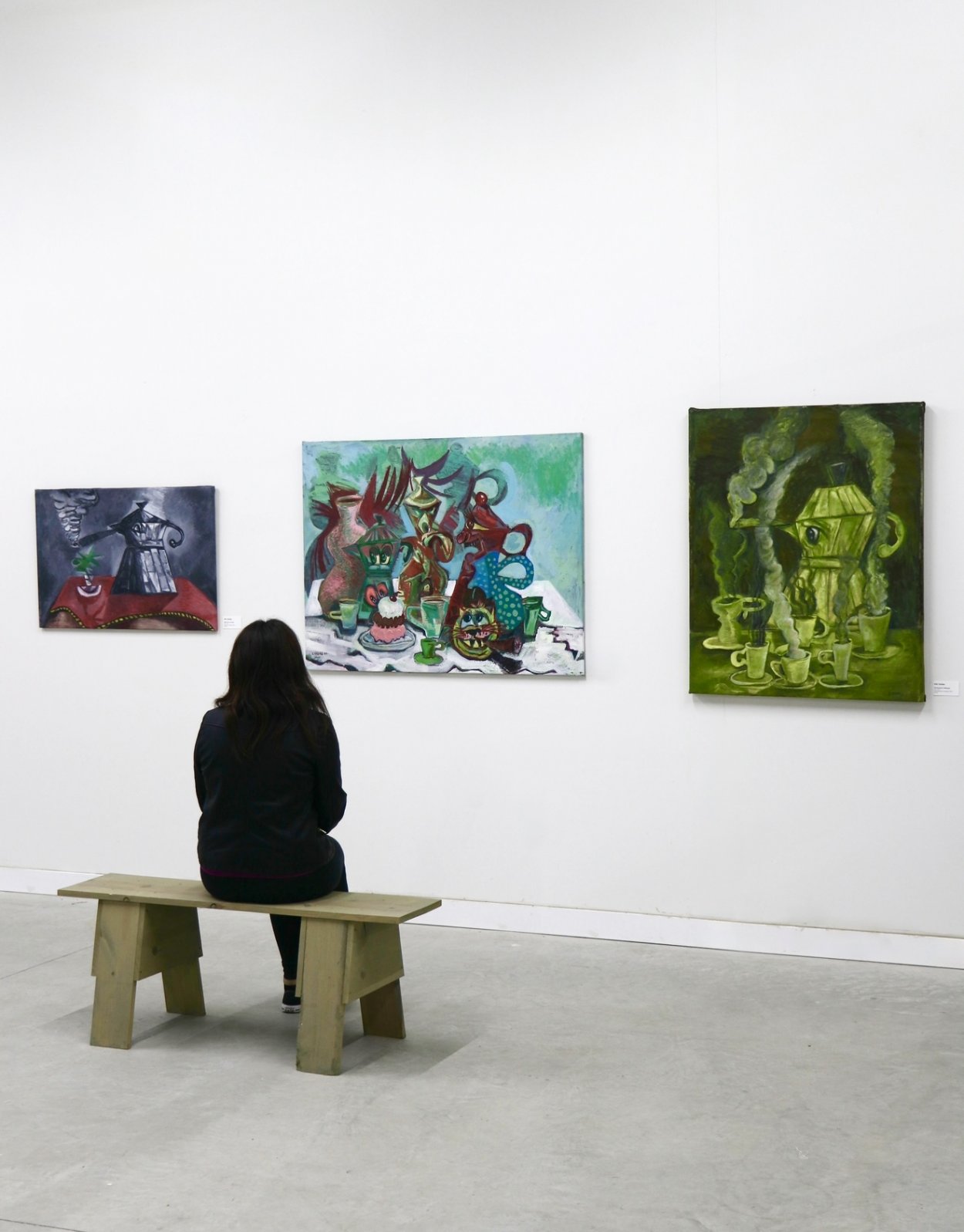
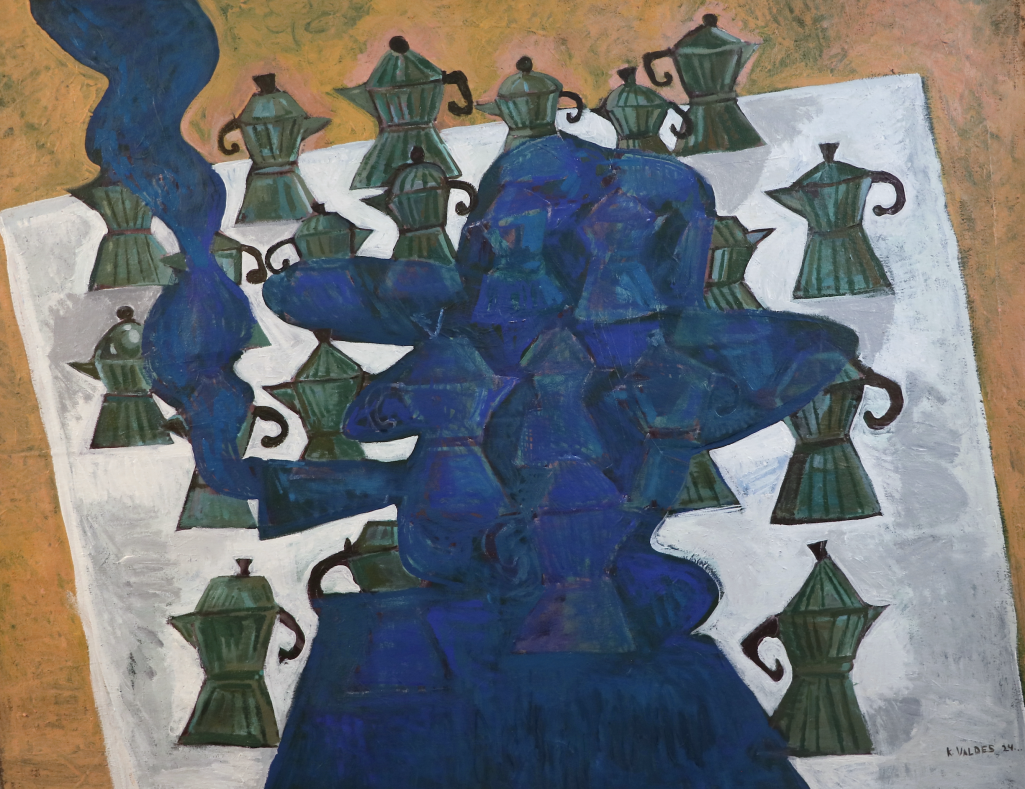
the painting itself demanded it. It was bold. It was colorful. Somehow,
along with his blended acrylics -- the off-whites and teals and
ochres -- he had managed to mix in his own personal energy. The
painting was inescapably compelling. That's exactly the anecdote
I tell to anyone who asks me about Kiki's work, and when they ask
me where I think he'll be in five, ten, twenty years' time, I tell
them, "Right up at the front of the gallery," just where
he's always been.
|